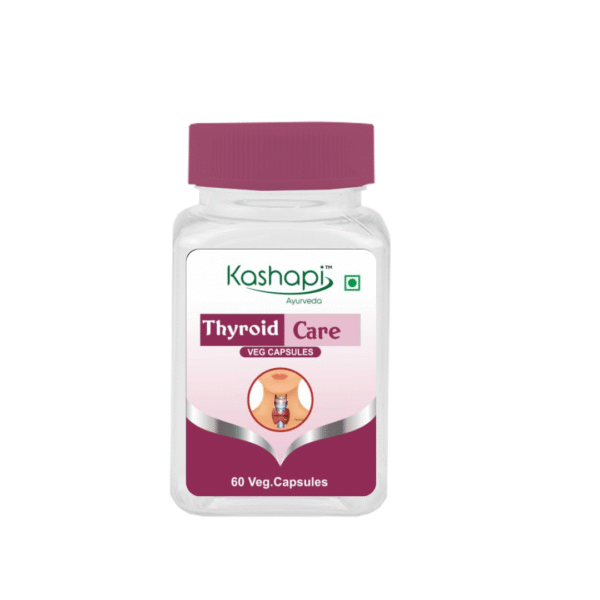
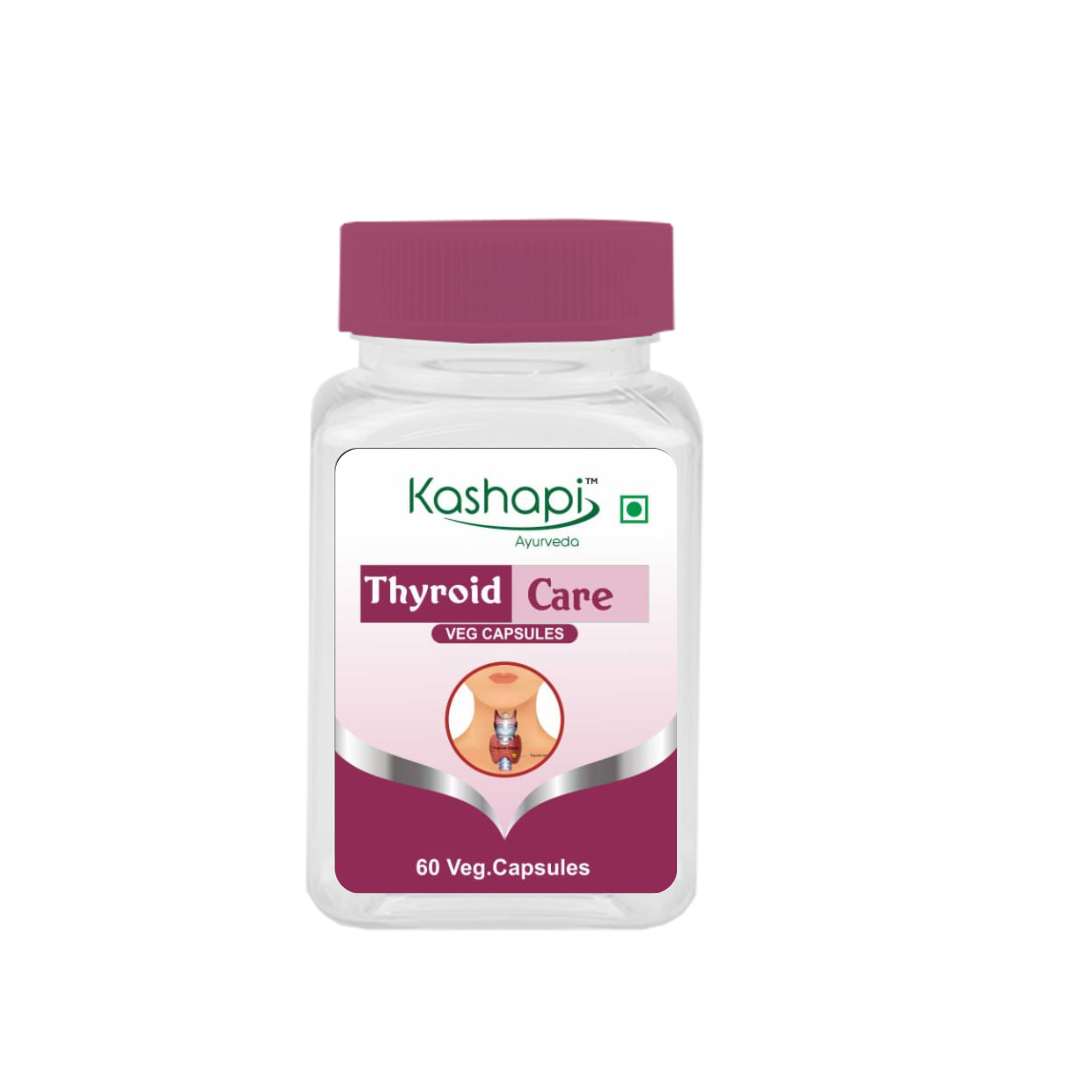
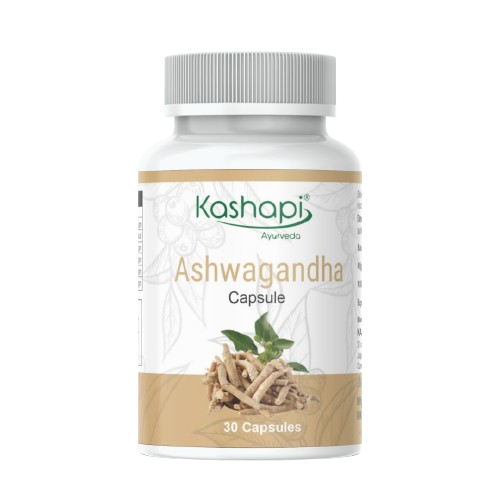
Kashapi Ayurvedic thyroid care capsules is a holistic approach that focuses on balancing the body’s doshas (energies) and addressing the root causes of thyroid dysfunction, such as poor digestion, stress, and toxin buildup. It involves herbal remedies, dietary changes, lifestyle adjustments, and detox therapies.
Note: Ayurvedic treatments are complementary and should not replace conventional medical care. It is essential to consult with both a qualified Ayurvedic practitioner and an allopathic doctor before beginning any new treatment plan for a thyroid condition.
Benefits of Kashapi Ayurvedic thyroid care capsules
- Addresses the root cause: Ayurveda focuses on improving digestion (Agni) and eliminating toxins (Ama) that interfere with thyroid function, rather than just masking symptoms.
- Promotes hormonal balance: Herbs and therapies work to balance the production of T3 and T4 hormones, which regulate metabolism. This can be effective for both hypothyroidism (underactive) and hyperthyroidism (overactive).
- Reduces stress: Adaptogenic herbs like Ashwagandha help lower cortisol levels and manage stress, a major factor in thyroid imbalances.
- Enhances metabolism: Treatments help regulate metabolic rate, which can assist with weight management and boost energy levels, particularly in cases of hypothyroidism.
- Improves overall well-being: Beyond the thyroid, the holistic approach can lead to better digestion, immune function, mental clarity, and reduced inflammation throughout the body.
- Minimal side effects: Ayurvedic treatments, when properly administered by a qualified practitioner, are natural and typically have minimal side effects compared to some conventional medications.
Key Ayurvedic ingredients and therapies
Herbs
- Ashwagandha (Withania somnifera): An adaptogen that helps the body manage stress. It is known to regulate thyroid hormone levels and support overall endocrine health.
- Guggul (Commiphora mukul): Used to stimulate the thyroid gland, boost metabolism, and aid in weight management, especially for hypothyroidism.
- Kanchanar Guggulu: A classical Ayurvedic formulation used to treat goiters, nodules, and glandular swellings. It helps detoxify the lymphatic system.
- Brahmi (Bacopa monnieri): Calms the nervous system and is beneficial for managing the anxiety and stress associated with hyperthyroidism.
- Triphala: A blend of three fruits used to improve digestion, detoxify the body, and remove the toxin accumulation (Ama) that can block thyroid function.
- Shatavari (Asparagus racemosus): Supports hormonal balance and overall vitality, particularly benefiting women with thyroid issues.
- Turmeric (Curcuma longa): Its powerful anti-inflammatory properties help reduce inflammation and oxidative stress, which can negatively impact thyroid function.
Dietary recommendations
- Warm, cooked foods: For hypothyroidism, warm, easily digestible foods like soups and stews help stimulate a sluggish digestive fire (Agni).
- Cooling foods: For hyperthyroidism, cooling foods such as cucumbers and melons help pacify the heat and agitation of the Pitta dosha.
- Beneficial spices: Ginger, turmeric, and black pepper help stimulate metabolism and digestion.
- Healthy fats: Coconut oil and ghee support thyroid function.
- Foods to limit: It is often recommended to reduce or avoid raw cruciferous vegetables (like cabbage and cauliflower), excessive soy, processed foods, and sugar.
Lifestyle and therapies
- Yoga and Pranayama: Specific yoga poses, such as Sarvangasana (Shoulder Stand) and Matsyasana (Fish Pose), are believed to stimulate the thyroid gland. Breathing exercises like Ujjayi Pranayama can help reduce stress.
- Panchakarma: This detoxification process removes accumulated toxins (Ama). Therapies may include Virechan (purgation) for Pitta imbalances and Basti (medicated enema) for Vata imbalances.
- Stress management: Daily practices such as meditation and mindfulness are essential for reducing the stress that can trigger thyroid imbalances.
- Abhyanga (Oil Massage): Regular oil massage with warm, medicated oils can improve circulation and reduce sluggishness, especially for those with Kapha imbalances.
- Early dinners: Eating an early dinner allows the body ample time to digest food and focus on rest and repair.




Reviews
Clear filtersThere are no reviews yet.